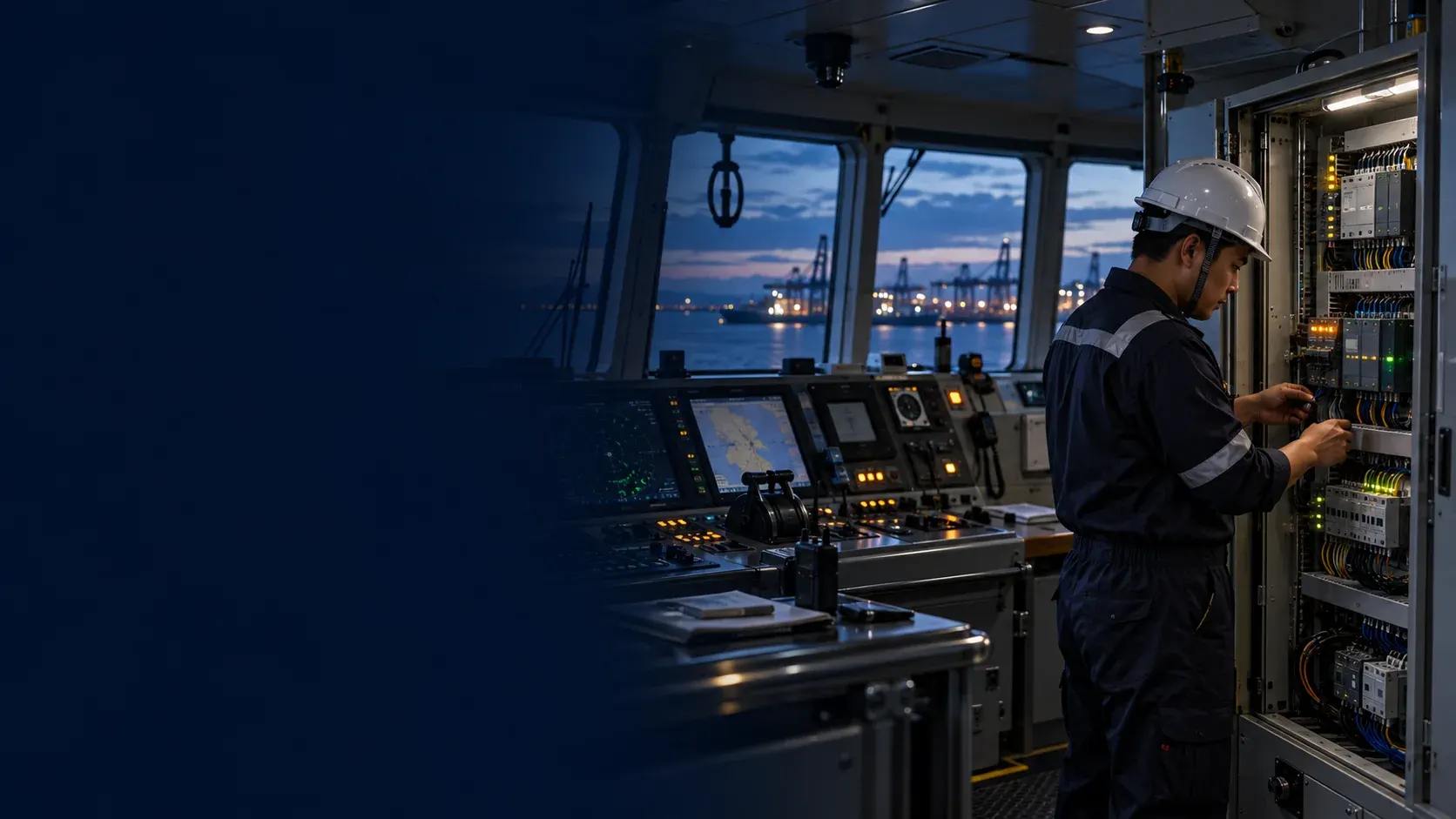
We fix ship electrical, radar & PLC systems.
We find faults and restore control systems to get vessels back in service—24/7.
We find the fault, fix it, and prove it holds.
SMN (PT Sistem Maritim Nusantara) works on the control, electrical, radar, and machinery systems of ships and shipyards. We diagnose first, propose the smallest reliable fix, and stay until the system behaves as specified.
- Electrical, radar, and control troubleshooting on board
- PLC integration, program recovery, and commissioning
- Monitoring and application support for ship systems
What we repair, build, and keep running.
Every job starts with diagnosis and ends with the system running, tested, and documented.
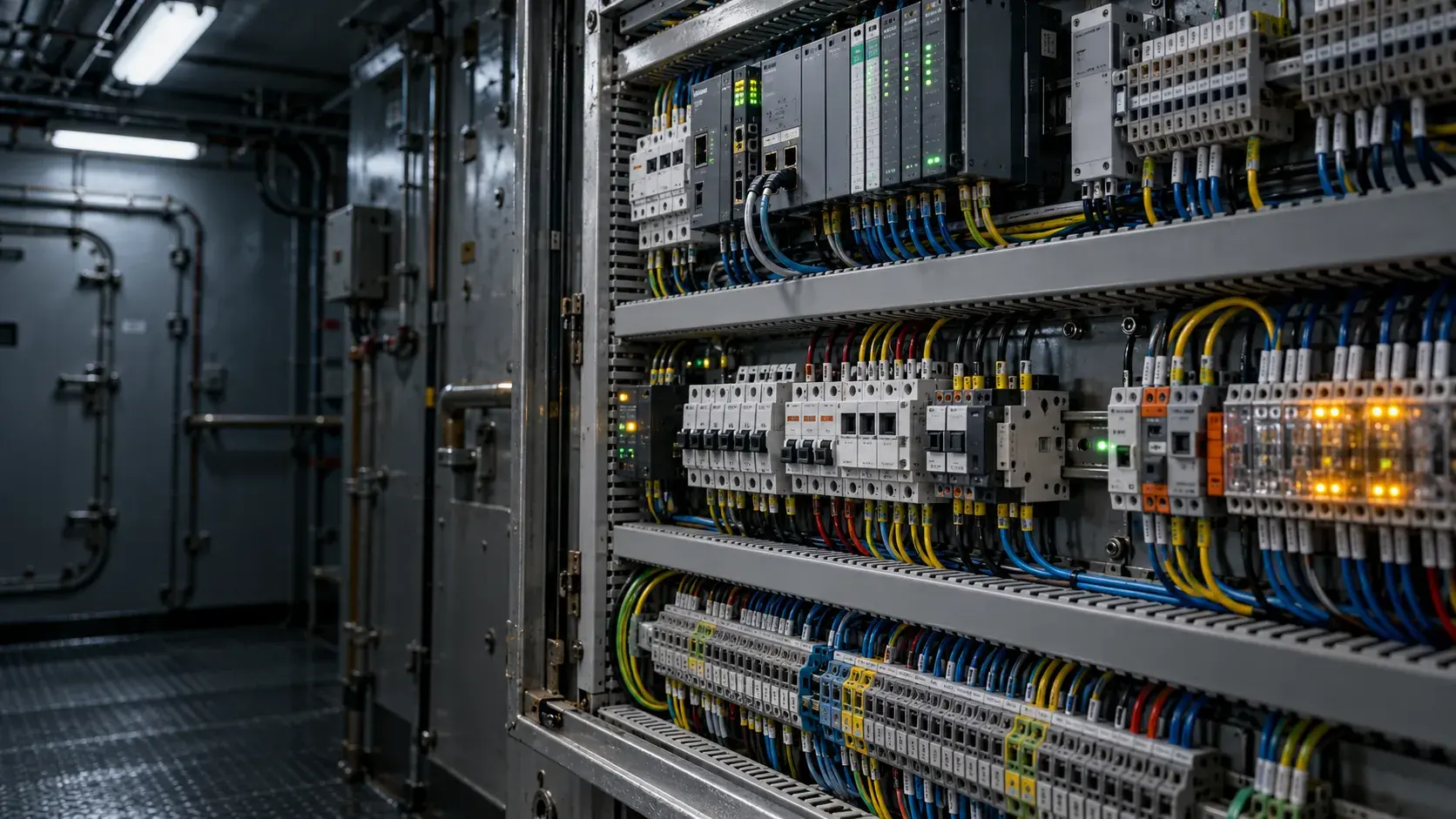 PLC Integration & RepairIntegration, diagnostics, repair, and commissioning for PLC-based systems.
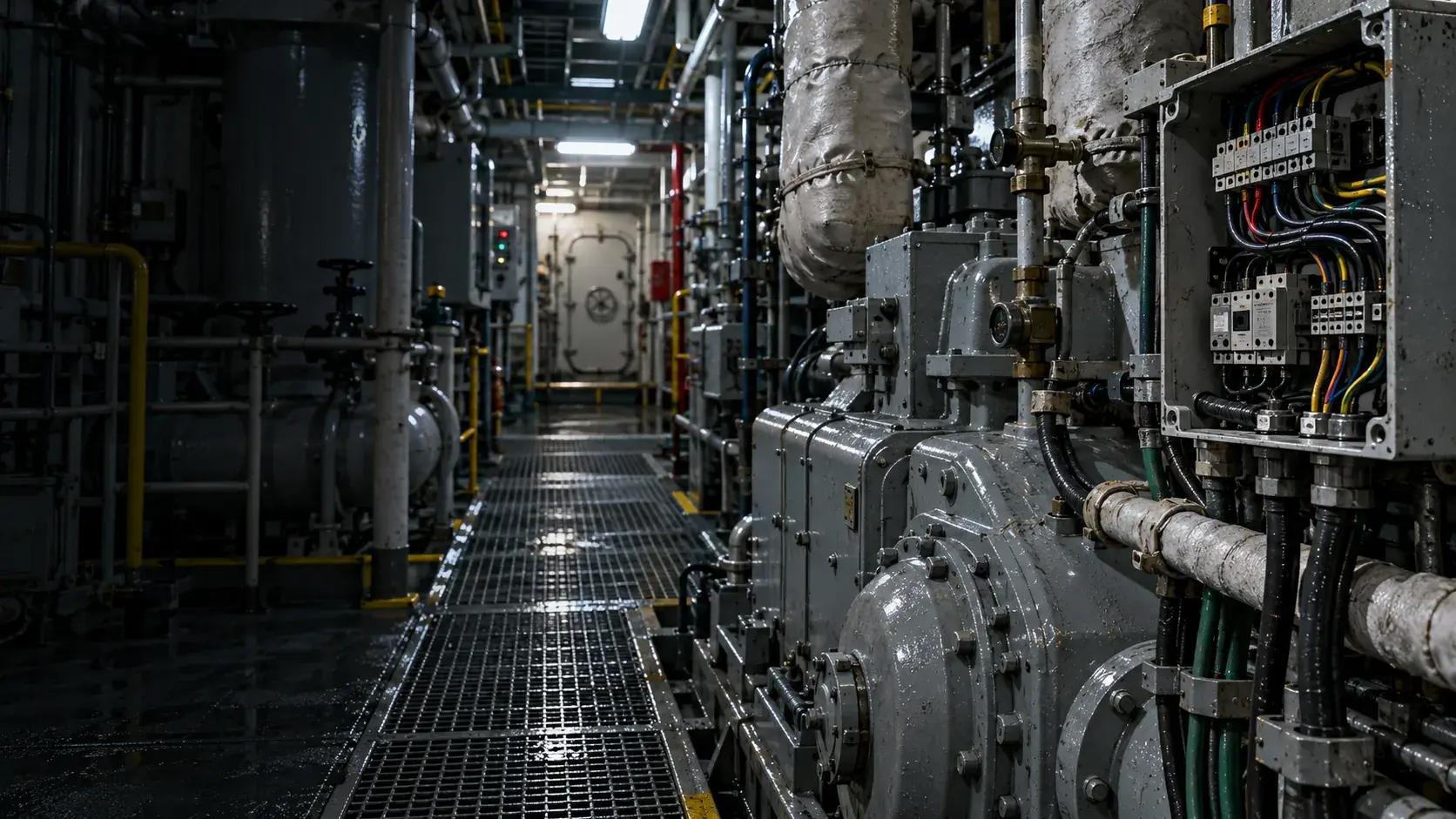 Industrial / Marine AutomationControl logic, panel coordination, and automation improvements for marine operations.
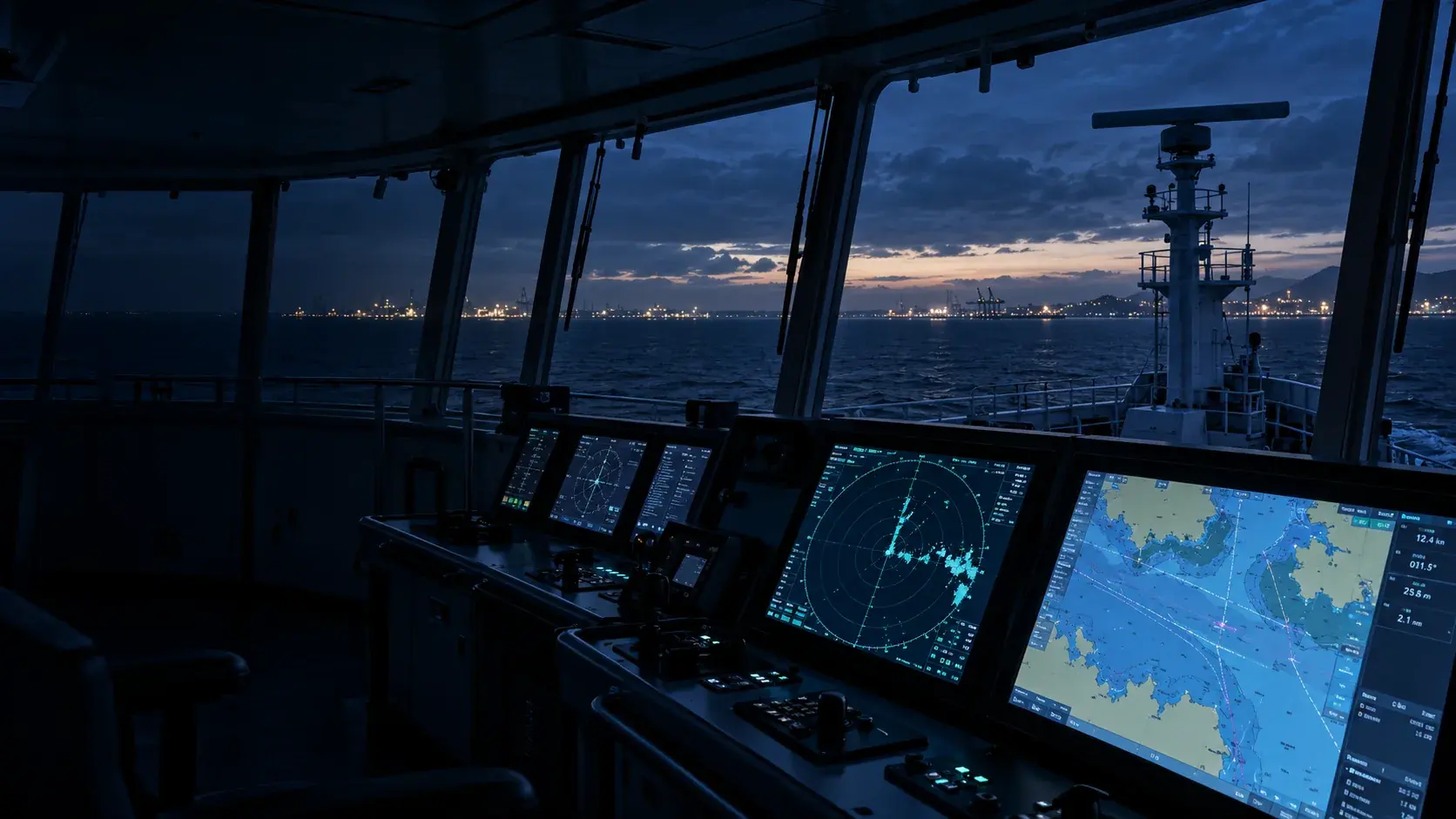 Marine Radar SystemsRadar system support, troubleshooting, maintenance, and integration guidance.
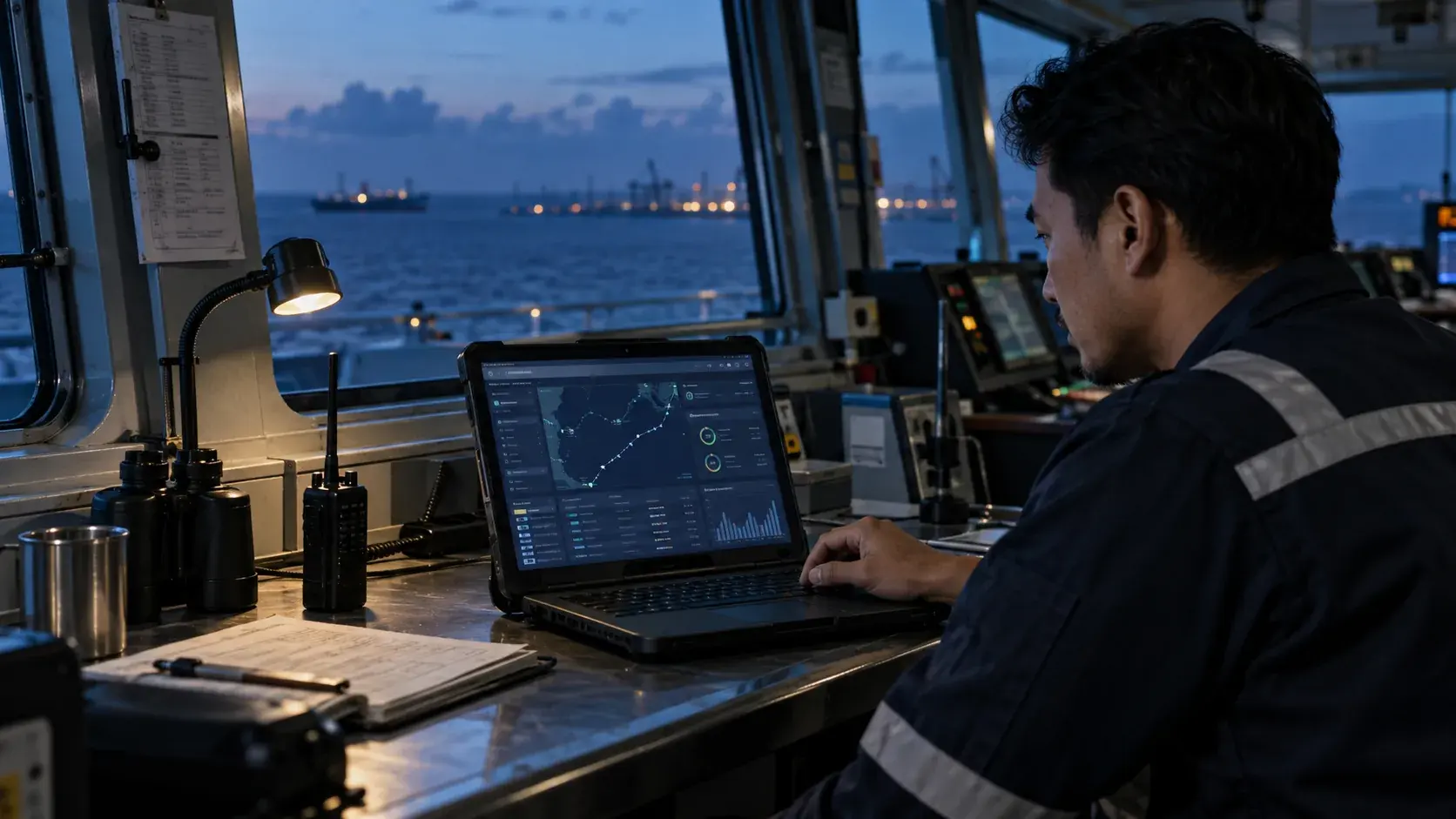 Ship Application SystemsMonitoring, reporting, dashboards, and operational application support.MarineXVisit marinex.id
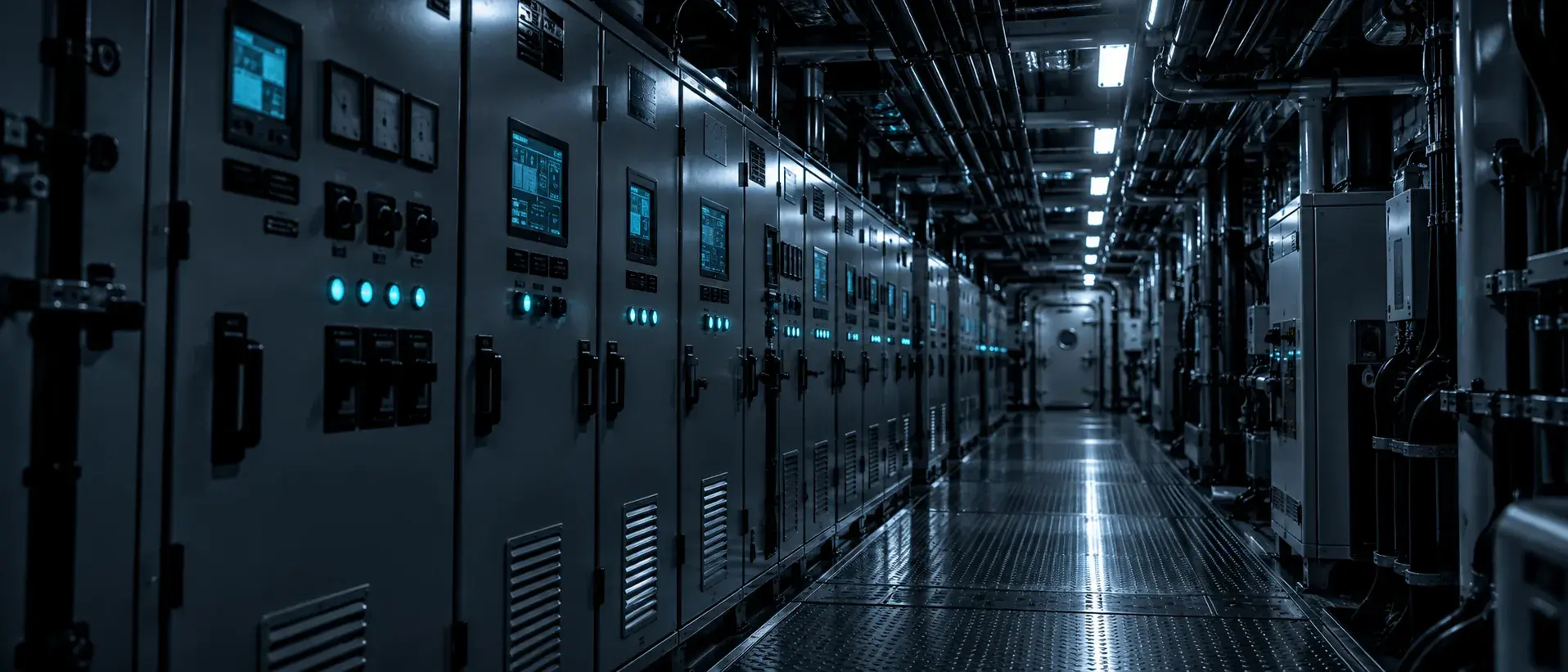 Marine Electrical & ControlElectrical troubleshooting, control panels, wiring review, and reliability work.
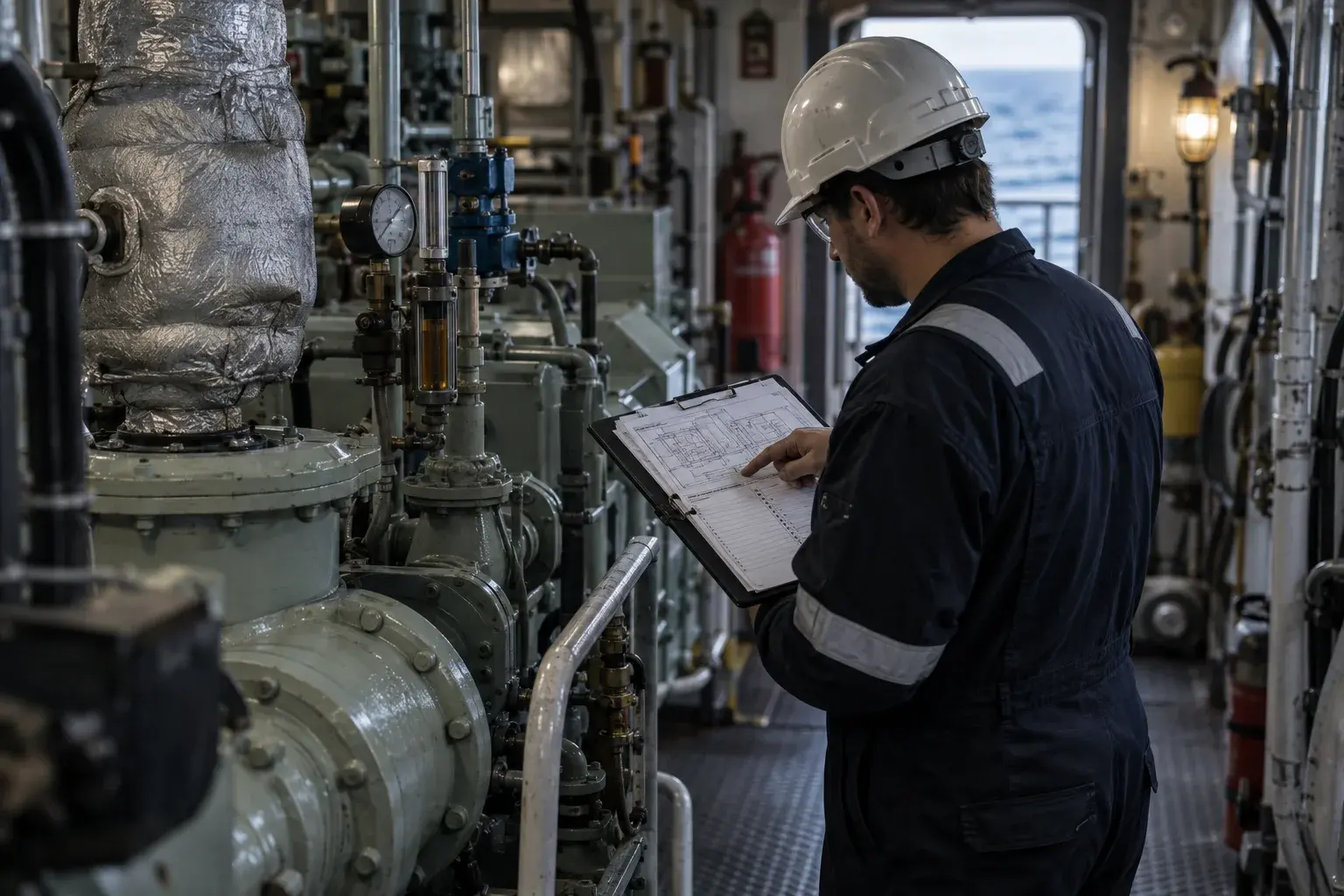 Technical ConsultingPractical guidance for system selection, troubleshooting, and planning.
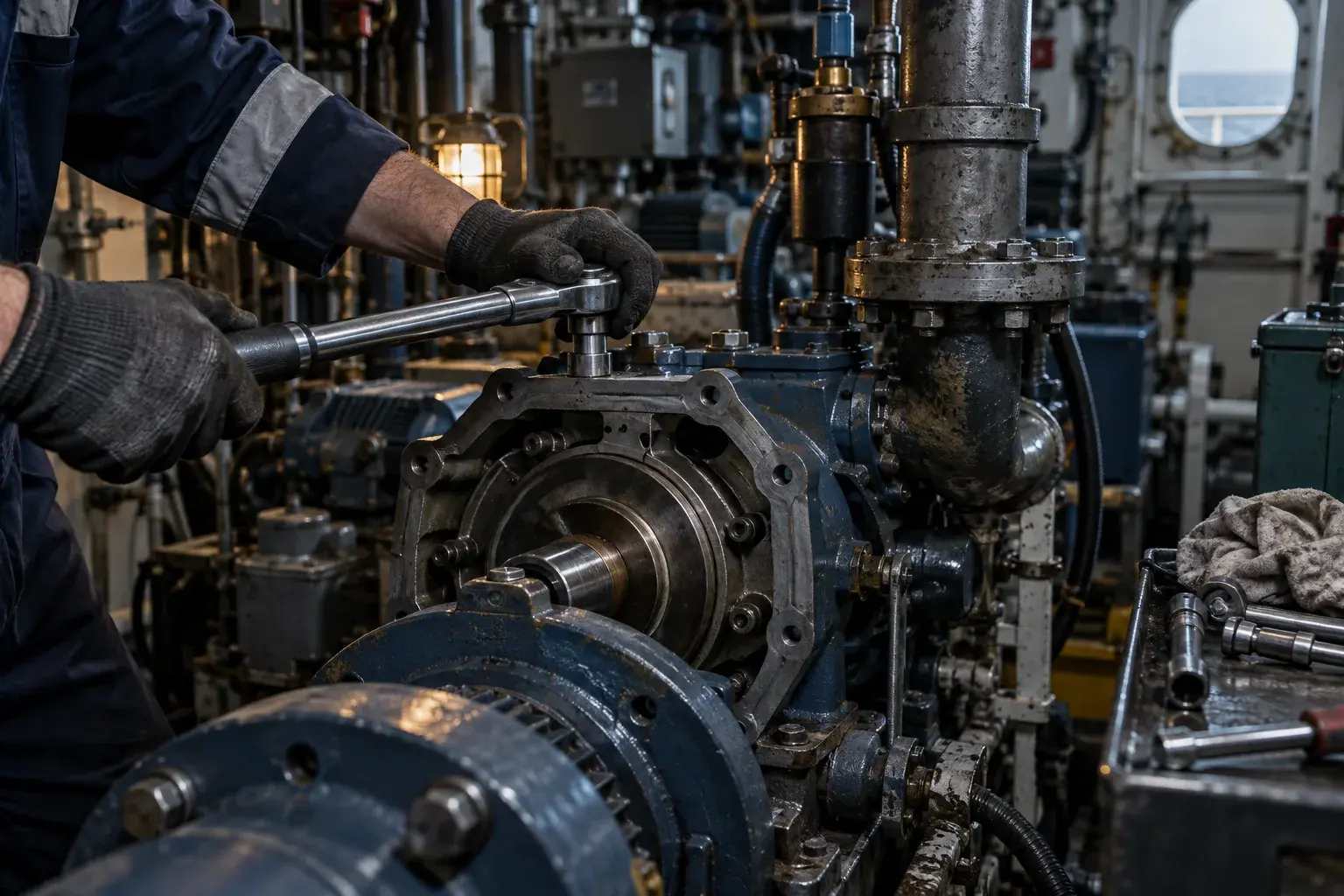 Repair & MaintenanceFast diagnosis, corrective maintenance, and ongoing critical-system support.
- Explore services








How we work on board.
We finish the job
Diagnosis, repair, and testing are documented, so the crew knows what changed and why.
We work on the vessel
Automation, electrical, radar, and machinery experience applied in the engine room, not in a slide deck.
We diagnose before we replace
We trace the signal path to the cause instead of swapping components until something works.
We leave it maintainable
Panels, wiring, and programs are labeled, backed up, and handed over in a state the next engineer can read.
Built to stay maintainable at sea.
Our work is judged after we leave: by how the system runs, and by whether the next engineer can read it.